Reflections on being a virtual observer at COP 30: Climate Talks in the Amazon

This week and next, I’m serving as a virtual observer to the COP 30 United Nations Climate Change Convention taking place in Belém, Brazil, where the Amazon river meets the Atlantic ocean. I have not travelled to Brazil and I’m also doing other things in between virtual conference sessions. I was selected as one of five virtual observers from the General Board of Church and Society from the United Methodist Church in my capacity as the Caretaker of God’s Creation Coordinator for the Pacific Northwest conference. The other four virtual observers for our church are also Caretaker Coordinators from their conferences. In addition, a handful of United Methodists are attending the COP in person in Brazil.
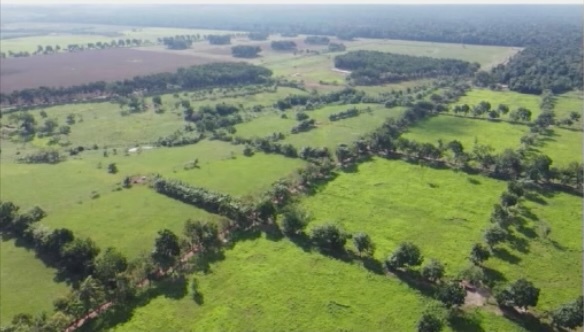
Last summer, my daughter traveled to the west side of the Amazon to volunteer in the rainforest. She did a combination of studying native species, caring for the jungle, basic maintenance at the camp where she was staying, and learning the ways of life of a people whose actions are part of the ecosystem where they live. As I’ve watched COP30 begin almost 4,000 miles away from where my daughter was, on the east side of the Amazon, I’ve been reflecting on how the world’s actions are a part of the vast ecosystem of the Amazon, even if most of us don’t travel there or even think about the rainforest very often.
Brazilian pop star, Fafá de Belém, performed her song, Emoriô, during the opening ceremonies. Emoriô can be translated to English and means love and spiritual connection with the sun, moon, and sky. The word was on the screens behind her with the English words, “I See You.” It was literally the backdrop to the session in which Brazilian president, Luis Inacio Lula da Silva, and the UN Climate Change Executive Secretary, Simon Stiell, called participants to learn from the Amazon river. They explained that the same way the river is supported by many smaller rivers, streams, tributaries, and waterways, solutions to the climate crisis must be supported by innovations at many levels, not just by national governments.
There is one country, the United States of America, that is conspicuously absent, in an official capacity, from the proceedings. There are many observers from our country, but no representatives of the national government. The absence of the world’s largest economy from the talks has two effects. First, it creates more time and space to center the voices of the countries and the peoples who are most impacted by the effects of the climate crisis, who have named the need for full and respectful inclusion in the solutions that are proposed. Second, our country’s absence from COP30 means that the impacts of the way of life in the US may continue to cause damage and destruction to others, undeterred. It is up to those at levels other than the national government to reduce our impact in the absence of our national leaders.
Brazilian President Lula da Silva has called this the “COP of truth,” referring to the need to be truthful about where the responsibility for climate catastrophes lies and who is facing the most devastating consequences. He has invited the world to the Amazon to see the truth first hand. He has also called this year’s gathering the “COP of adaptation,” naming three goals for the meeting. The first is to strengthen cooperation among countries and other partners. The second is to connect to the activities of daily living in many contexts. The third is to accelerate implementation of solutions agreed upon by not only the rich and powerful, but also by the indigenous and most affected communities. By focusing on adaptation and building resilience, cooperation replaces competition and the hope for real solutions to emerge may become reality.
We pray that the Holy Spirt will guide our world with wisdom as we seek to co-create the future.